Understanding Nutritional Value in Cooking
Henry Murray ·
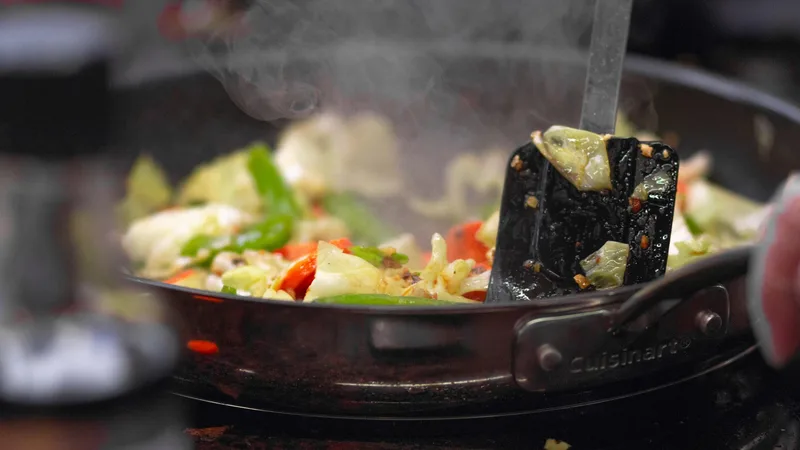
In the kitchen, each ingredient tells a story. The texture of a fresh carrot, the aroma of basil, and the vibrant color of tomatoes all contribute to a meal that nourishes the body and delights the…
The Role of Fresh Ingredients in Health
Nutritional value in cooking starts with the selection of fresh ingredients. Using seasonal produce enhances meal flavor and boosts overall health. Fresh fruits and vegetables contain higher levels of vitamins and minerals, essential for maintaining bodily functions. Incorporating a variety of these ingredients into your diet can lead to improved energy levels and better immune function, especially when consumed at their peak ripeness
Quality matters significantly in meal preparation. Fresh, high-quality ingredients make a substantial difference in taste and nutritional value. They are often richer in nutrients and flavor compared to processed or out-of-season options. The method of sourcing these ingredients—whether local markets or organic farms—can impact health benefits. Investing in quality food is a practical step towards better nutrition.
Nutritional Benefits of Seasonal Produce
Seasonal produce offers numerous health benefits. Fruits and vegetables grown in their natural season are typically more nutritious. They require less energy for transportation and storage, which can diminish their nutrient content. By consuming seasonal foods, you support local agriculture while enjoying fresher flavors. This practice encourages a diverse diet, beneficial for gut health. Incorporate seasonal items into your meals for peak nutritional value.
Impact of Ingredient Quality on Meals
The quality of ingredients can drastically change your cooking outcomes. Using fresh, high-quality items enhances flavors and ensures that you are getting the most nutrients possible. Ingredients that are organic or sustainably sourced often have fewer pesticides and chemicals, contributing to better health. Meals made from quality ingredients can be more satisfying, reducing the likelihood of overeating. Always prioritize high-quality ingredients for a nutritious meal experience.
Smart Cooking Techniques for Better Nutrition
Smart cooking techniques significantly enhance the nutritional value of your meals. Certain methods help preserve the nutrients in food while maximizing flavor. Understanding how different cooking techniques affect nutritional content is key to meal planning. For instance, steaming vegetables retains more vitamins compared to boiling. Using the right techniques improves health benefits and encourages a more enjoyable cooking experience.
To get the most out of your ingredients, consider these smart cooking methods:
- Steaming instead of boiling to retain nutrients.
- Roasting for enhanced flavor without added fats.
- Using minimal water and shorter cooking times.
- Incorporating raw foods into meals for maximum nutrition. 🥗
Methods That Preserve Nutrients
Preserving nutrients during cooking is essential for maintaining health benefits. Techniques such as steaming and microwaving can help keep vitamins intact, unlike methods that require prolonged cooking times. Sautéing with healthy fats like olive oil can enhance the absorption of fat-soluble vitamins. Avoid overcooking vegetables, as this can lead to significant nutrient loss. Experiment with these methods to find a balance that works for your meals.
Meal Prep for Nutritional Efficiency
Effective meal planning enhances your overall nutrition. Preparing meals ahead ensures healthy options are readily available, reducing the temptation for unhealthy choices. When planning, consider batch cooking and portioning meals for the week. This saves time and makes it easier to maintain a balanced diet. Organizing your meals can help you stick to your nutritional goals without feeling overwhelmed.
How Meal Planning Enhances Dietary Choices
Meal planning plays a crucial role in making informed dietary choices. By carefully selecting ingredients and preparing dishes in advance, you ensure that your meals are balanced and nutritious. This proactive approach saves time and reduces the likelihood of making impulsive food choices that may not align with your health goals. Understanding nutritional value in cooking allows you to create meals that nourish your body while satisfying your taste buds.
One significant benefit of meal planning is the ability to create balanced meals. This involves incorporating a variety of food groups, including proteins, carbohydrates, and healthy fats. A well-structured meal plan should also consider portion sizes and nutritional requirements based on individual needs. Here are some guidelines for designing nutritionally balanced plates:
- Include a source of lean protein, such as chicken, fish, or legumes.
- Add whole grains like brown rice or quinoa for healthy carbohydrates.
- Incorporate a colorful array of vegetables for essential vitamins and minerals.
- Use healthy fats, like avocados or olive oil, to enhance flavor and satiety.
Using Technology for Smart Planning
In the digital age, technology offers numerous tools to streamline meal planning. Apps designed for meal prep can help you track nutritional intake, create shopping lists, and suggest recipes based on what you have. Utilizing these resources makes meal planning easier and more efficient. Some apps allow you to scan barcodes for instant nutritional information, while others provide customizable meal templates. This tech-savvy approach can save you time and enhance your cooking experience.
Web Betting Tips: A Surprising Connection to Smart Cooking
At first glance, cooking and gambling might seem worlds apart, but they share underlying principles that can enhance your approach to both. Just as in web betting, successful meal planning involves weighing risks and making informed choices. When you plan your meals, you assess your options, consider potential outcomes, and strategize accordingly. This mindset can lead to better health and nutrition, similar to how calculated bets can lead to success in gaming.
Understanding risk is essential in both cooking and betting. You wouldn’t wager on a game without knowing the odds, just as you shouldn't prepare a meal without understanding the nutritional content. Here are some parallels between cooking strategies and betting tactics:
- Evaluate your options before committing to a meal or a bet.
- Consider the long-term effects of your choices, not just immediate satisfaction.
- Use a strategy that aligns with your goals, whether it’s health or winnings.
- Don’t chase losses or unhealthy meals; stick to your plan. 🍽️
The Importance of Research in Both Fields
Knowledge is power in any decision-making process, whether in the kitchen or at the betting table. Conducting thorough research about ingredients helps you make healthier choices, just as understanding betting odds influences your gambling success. Knowing the nutritional value and sourcing the best ingredients can transform a meal from average to exceptional. Similarly, being informed about games and odds leads to smarter bets. Continuous learning in both domains enhances your ability to make sound decisions that align with your objectives.
Bringing It All Together: Health and Entertainment
Understanding nutritional value in cooking can transform your approach to meal planning and preparation. Cooking at home allows for greater control over ingredients, leading to healthier choices. The process of preparing meals can also be enjoyable, making it easier to adopt and maintain a nutritious diet. When you engage with your food, you often find satisfaction beyond just the meal itself. This enjoyment can be a powerful motivator for healthier eating habits, contributing positively to your overall well-being.
To blend enjoyment with health, consider activities that make cooking delightful. Experimenting with new recipes, involving family members, or hosting cooking parties can make the process fun. These elements turn cooking into a social experience rather than a chore. Here are some ideas to consider:
- Try cooking nights with friends or family, where everyone contributes a dish.
- Explore different cuisines to keep meals exciting and diverse. 🌍
- Use seasonal ingredients to inspire creativity and freshness in your dishes.
- Incorporate cooking challenges, like time limits or mystery ingredients, to spice things up.
The Enjoyment of Cooking as a Health Strategy
Cooking can be more than a means to an end; it can be an integral part of a health strategy. Engaging in the culinary process allows you to connect with the food you consume. This connection fosters a deeper understanding of nutritional value and its impact on your health. When you take time to prepare a meal, you often become more aware of portion sizes and ingredient quality. This mindfulness can lead to better dietary choices and improved health outcomes.
Finding Balance Between Nutrition and Leisure
Finding a balance between nutrition and leisure activities is essential for maintaining a healthy lifestyle. It’s crucial to integrate healthy eating habits with enjoyable activities. Pairing cooking with entertainment can be effective. You might cook while listening to music or watching a favorite show. This way, you can enjoy both good food and good times. Leisure activities like dining out or participating in social events don’t have to compromise your health goals. With thoughtful planning, you can enjoy the best of both worlds.